

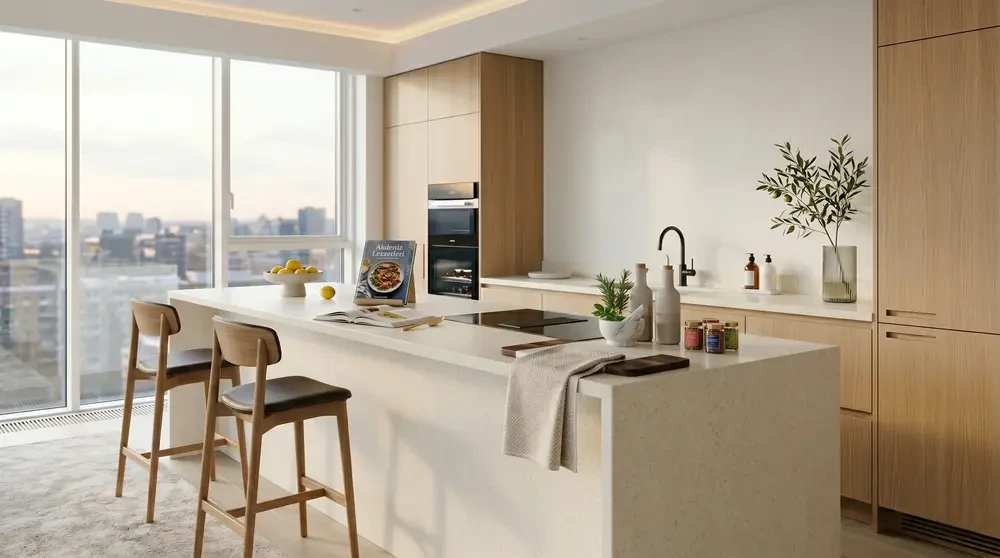
Replacing countertops is one of the upgrades that can change the feel of a kitchen or bathroom almost immediately. The surface becomes a visual focal point, but it also needs to handle daily use. For homeowners in Chicago, countertop decisions often involve a mix of style, durability, maintenance, and installation quality.
Before choosing a material or scheduling installation, there are a few practical things worth understanding. Knowing these points can make the process smoother and help you choose a countertop that works well in your space for years.
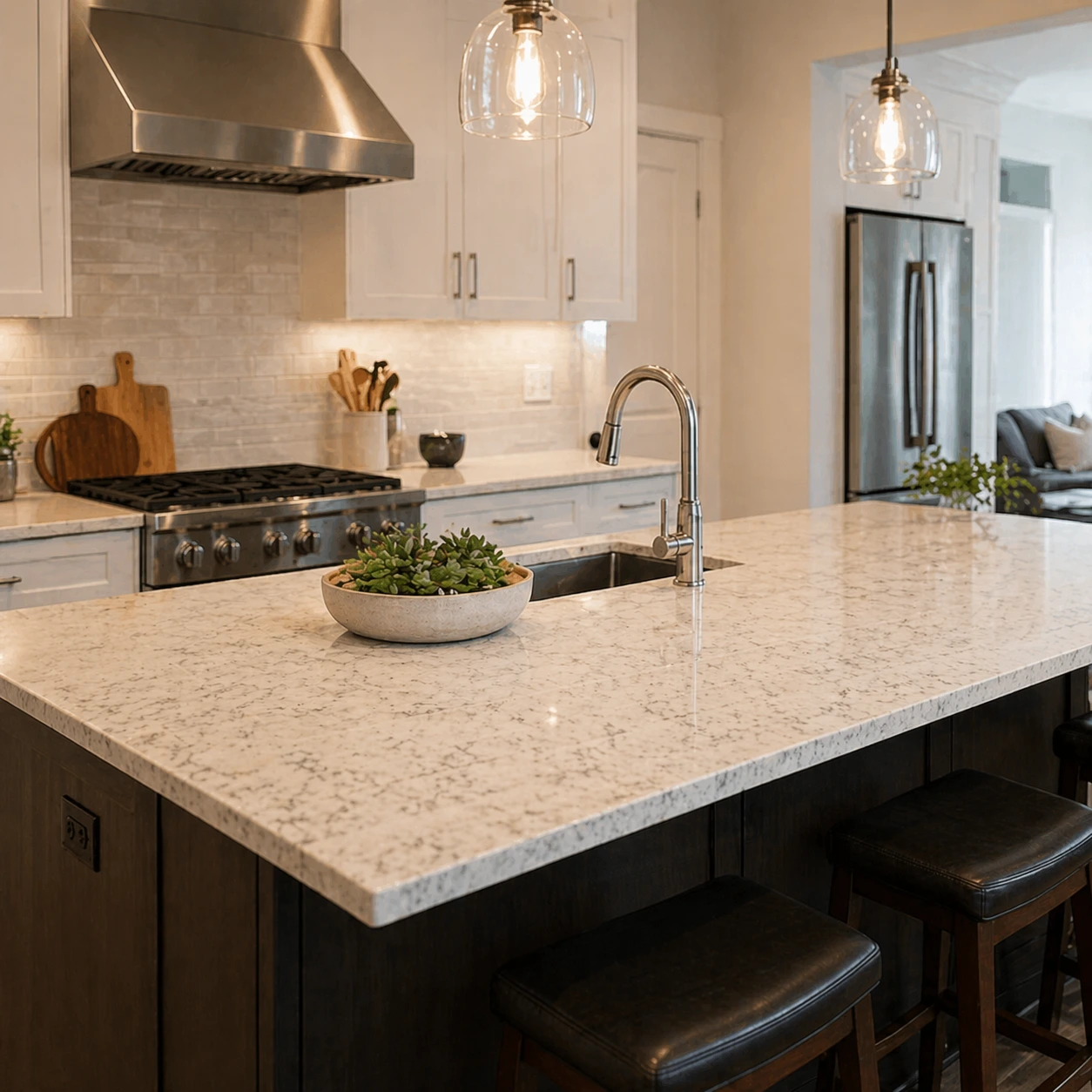
Start with How the Countertop Will Be Used
Many homeowners begin by focusing on color or style. While appearance is important, daily use should guide the decision first.
Some kitchens are used occasionally, while others see heavy cooking, frequent cleaning, and constant activity. A household that cooks often may need a surface that handles heat, spills, and cutting without much concern. In contrast, a kitchen used mainly for light meal prep might allow more flexibility in material choice.
Bathrooms also bring different considerations. Moisture, cosmetics, and cleaning products can affect surfaces over time, so materials that handle water and stains well tend to perform better.
Understanding how the countertop will actually be used helps narrow down the right material.
Know the Differences Between Popular Countertop Materials
Chicago homeowners most commonly consider granite, quartz, and quartzite for kitchen countertops. Each option has characteristics that influence durability, maintenance, and appearance.
Granite is a natural stone known for its durability and distinctive patterns. Each slab has unique variations, so no two installations look exactly the same. Granite can handle heat well and is often chosen for kitchens that see frequent cooking.
Quartz is an engineered surface made from natural quartz and resins. It offers a consistent look and requires minimal maintenance. Because the surface is non-porous, it generally resists staining and does not need sealing.
Quartzite is a natural stone that combines durability with dramatic veining. It is often selected by homeowners who want the look of marble but prefer a surface with higher hardness.
The best material depends on priorities such as maintenance level, color preference, and budget.
Visit a Slab Yard Before Making a Final Choice
Images online can provide inspiration, but they rarely show the full character of natural stone. Lighting, veining patterns, and color variation are much easier to evaluate in person.
Visiting a slab yard or showroom allows homeowners to see the full slab rather than a small sample. This makes it easier to understand how patterns will appear across a large kitchen island or countertop run.
For materials like granite and quartzite, seeing the actual slab is especially helpful because the pattern flow can affect how the finished installation looks.
Edge Profiles Affect the Final Look
When planning a countertop project, most homeowners focus on the material and color. However, the edge profile also plays a role in the overall design.
Edges can range from simple to decorative. A straight eased edge is clean and modern, while more detailed edges create a traditional look. The choice can influence how thick the countertop appears and how it integrates with cabinetry.
Because edges are visible along the entire perimeter of the countertop, they contribute more to the final appearance than many homeowners initially expect.
Countertop Installation Matters as Much as the Material
Even the highest quality stone will not look or perform well if installation is not done properly.
Precise measurement, careful cutting, and correct seam placement are all important parts of the process. Large kitchen islands, waterfall edges, and detailed layouts require experienced fabrication and installation to achieve a clean result.
Professional installation also ensures proper support and alignment so the surface remains stable over time.
Consider the Entire Kitchen Design
Countertops rarely exist in isolation. They interact visually with cabinets, backsplashes, flooring, and lighting.
For example, kitchens with white cabinets often benefit from countertops with subtle contrast, while darker cabinetry may pair well with lighter surfaces that brighten the space. The goal is to create balance rather than letting one element overpower the rest of the design.
Looking at the full kitchen layout helps ensure the countertop complements the room rather than competing with it.
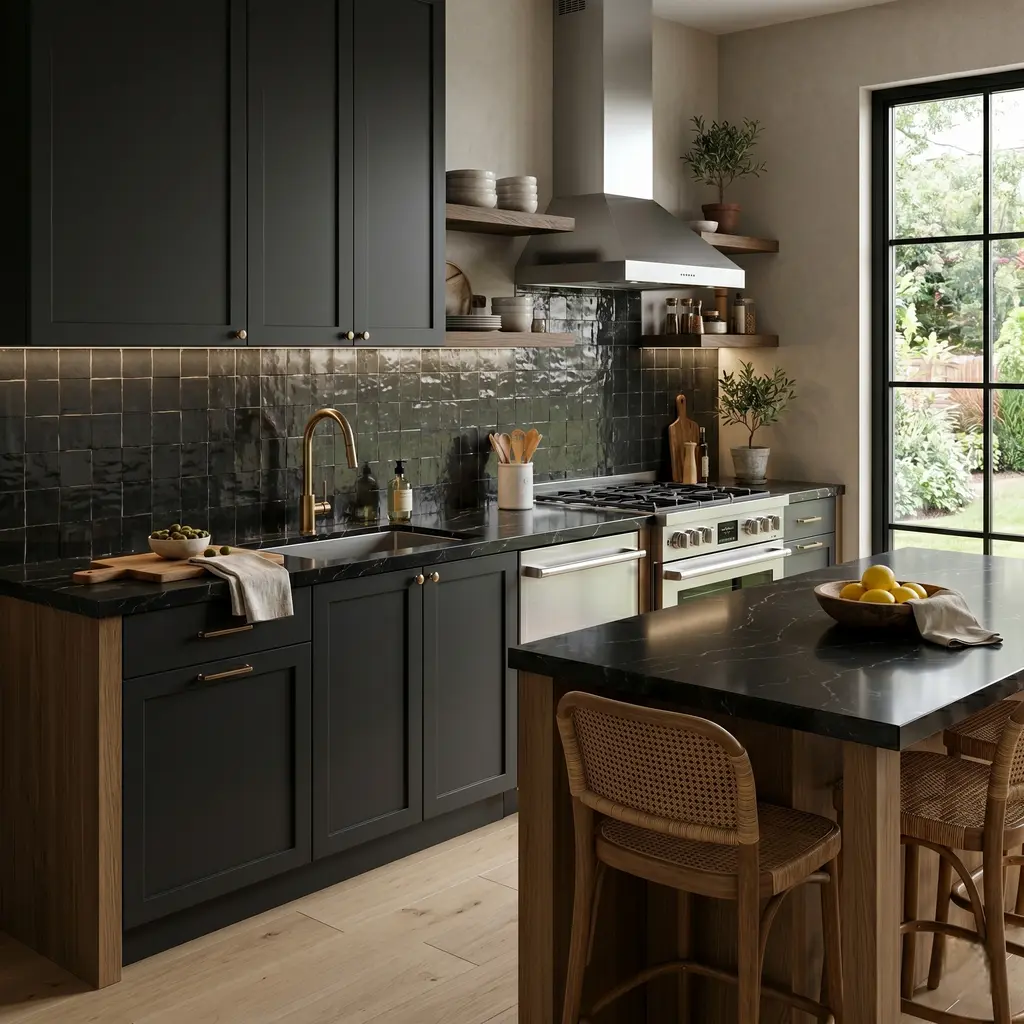
Plan the Budget Beyond the Slab Price
When comparing countertop options, homeowners often start with the price of the material itself. However, the final project cost includes several additional elements.
Fabrication, edge finishing, cutouts for sinks or cooktops, installation, and transportation can all influence the overall price. Larger kitchens or designs with multiple seams may also affect costs.
Understanding the full scope of the project helps avoid surprises later in the process.
Choosing the Right Countertop for Your Chicago Home
Selecting a countertop involves balancing appearance, durability, and practical use. Visiting showrooms, reviewing full slabs, and understanding how different materials perform can make the decision easier.
For homeowners planning a kitchen or bathroom update in the Chicago area, working with a team experienced in stone fabrication and installation can help ensure the finished result fits both the design and the daily needs of the home.
At Chicago Countertop Co., homeowners can explore granite, quartz, and quartzite options while receiving guidance throughout the selection and installation process. Seeing slabs in person and discussing layout possibilities helps turn ideas into a finished countertop that fits the space naturally.